• Welcome to your new Gnomio site

    Now, you are in control!

    Moodle is an open-source Learning Management System (LMS) that provides educators with the tools and features to create and manage online courses. It allows educators to organize course materials, create quizzes and assignments, host discussion forums, and track student progress. Moodle is highly flexible and can be customized to meet the specific needs of different institutions and learning environments.

    Moodle supports both synchronous and asynchronous learning environments, enabling educators to host live webinars, video conferences, and chat sessions, as well as providing a variety of tools that support self-paced learning, including videos, interactive quizzes, and discussion forums. The platform also integrates with other tools and systems, such as Google Apps and plagiarism detection software, to provide a seamless learning experience.

    Moodle is widely used in educational institutions, including universities, K-12 schools, and corporate training programs. It is well-suited to online and blended learning environments and distance education programs. Additionally, Moodle's accessibility features make it a popular choice for learners with disabilities, ensuring that courses are inclusive and accessible to all learners.

    The Moodle community is an active group of users, developers, and educators who contribute to the platform's development and improvement. The community provides support, resources, and documentation for users, as well as a forum for sharing ideas and best practices. Moodle releases regular updates and improvements, ensuring that the platform remains up-to-date with the latest technologies and best practices.

    Links of interest:

    (You can edit or remove this text)

Available courses

Khóa học Địa lí kinh tế thế giới nhằm cung cấp cái nhìn tổng quan về bức tranh kinh tế toàn cầu thông qua các mục tiêu cốt lõi sau:

  • Hệ thống hóa kiến thức cơ bản: Giúp người học nắm vững các khái niệm về nguồn lực phát triển, các quy luật phân bố sản phẩm và dịch vụ trên phạm vi thế giới.
  • Phân tích sự phân hóa không gian: Giải thích lý do tại sao các hoạt động kinh tế (công nghiệp, nông nghiệp, dịch vụ) lại tập trung hoặc khác biệt giữa các quốc gia và khu vực.
  • Đánh giá các xu thế toàn cầu: Tìm hiểu về tác động của toàn cầu hóa, khu vực hóa và các tổ chức kinh tế quốc tế (như WTO, EU, ASEAN) đến sự phát triển của từng quốc gia.
  • Nhận diện đặc điểm các nền kinh tế: Phân tích thực trạng và tiềm năng của các nhóm nước (phát triển vs đang phát triển) và các cường quốc kinh tế hàng đầu.
  • Rèn luyện kỹ năng thực hành: Phát triển khả năng đọc bản đồ, phân tích số liệu thống kê và đánh giá các vấn đề kinh tế - xã hội dưới góc nhìn địa lí.

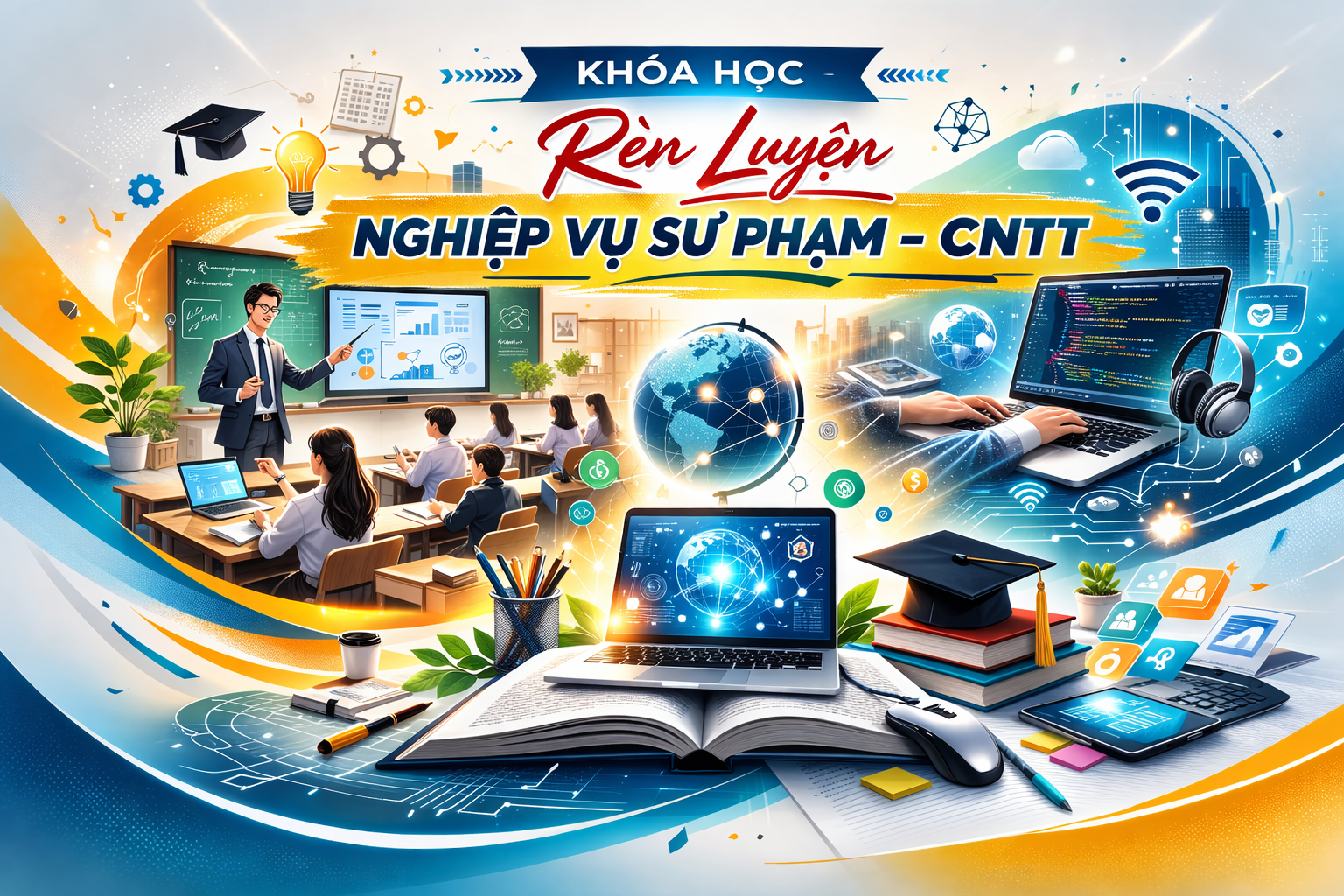
Khóa học Rèn luyện NVSP – Kỹ năng CNTT hướng tới các mục tiêu sau

  • Hình thành năng lực dạy học: Trang bị các kỹ năng cốt lõi như thiết kế bài giảng điện tử, lựa chọn phương pháp dạy học Tin học phù hợp và tổ chức các hoạt động giáo dục trên lớp.
  • Phát triển nghiệp vụ sư phạm: Bồi dưỡng kiến thức về tâm lý học lứa tuổi, giáo dục học và các kỹ năng giao tiếp, ứng xử trong môi trường nhà trường.
  • Ứng dụng CNTT trong giáo dục: Nâng cao khả năng sử dụng công nghệ để theo dõi, đánh giá quá trình học tập và quản lý lớp học hiệu quả.
  • Hoàn thiện điều kiện pháp lý: Cấp chứng chỉ nghiệp vụ sư phạm theo quy định của Bộ Giáo dục và Đào tạo, giúp người học đủ tiêu chuẩn tham gia xét tuyển viên chức giáo dục.
  • Thích ứng chương trình mới: Giúp người học nắm bắt tinh thần chương trình giáo dục phổ thông mới, phát triển cho học sinh các tư duy giải quyết vấn đề với sự hỗ trợ của máy tính.